Free Resource
What a case study needs so ChatGPT recommends you. If your case studies say we grew their traffic and stop there, an AI answer has nothing in them to cite. Here's what to put in one instead: eleven sections, in order, with what goes in each and why.
Buyers ask AI whether you've done a job like theirs, what it got and how long it took. A case study is easier to cite when it answers with numbers someone could check, including the parts that didn't go to plan.
The reel covered five ideas from this blueprint. Here they are with the drawings, in the order they sit on the page.
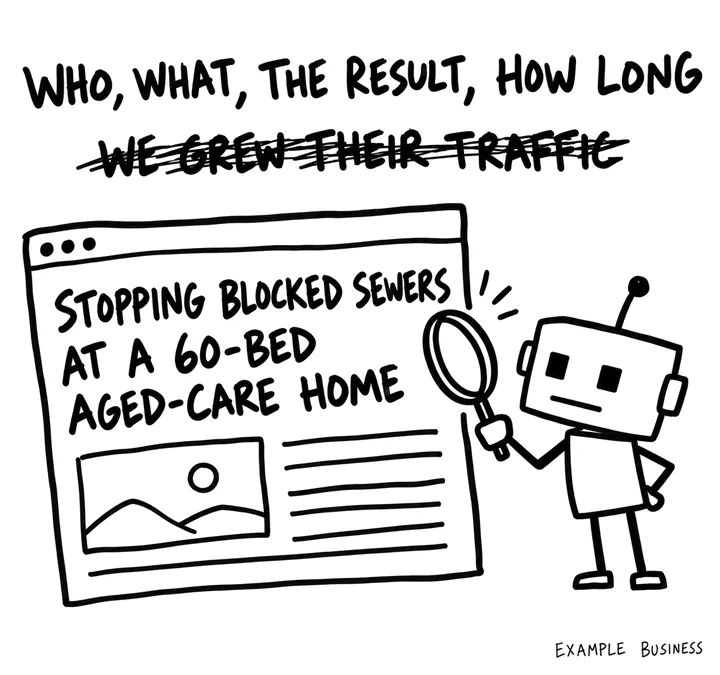
A headline that names the client, or the type of client, the job and the result, then two or three sentences on the problem, what you did and the result with its timeframe. We grew their traffic is a claim, not a case study.
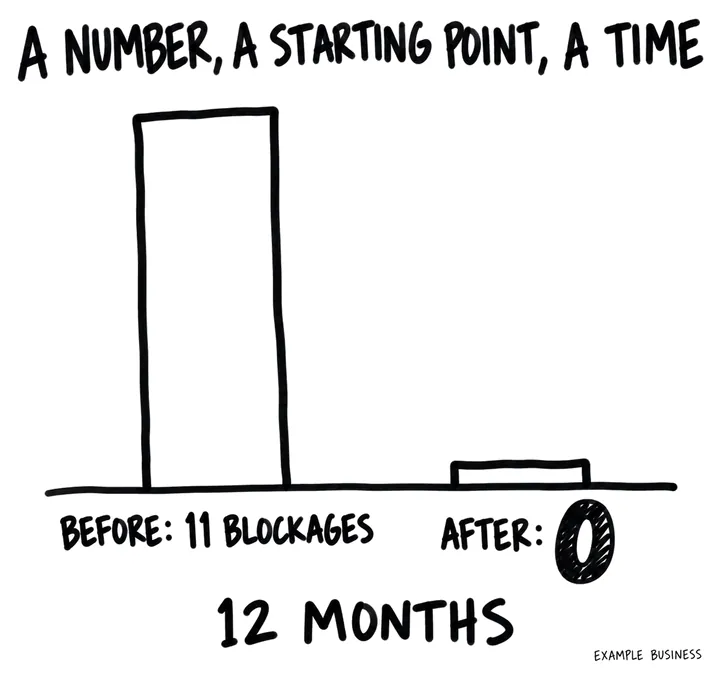
Every result is a number against a baseline over a stated period, like the twelve months before and the twelve months after. Without all three, a result is hard to check or compare.
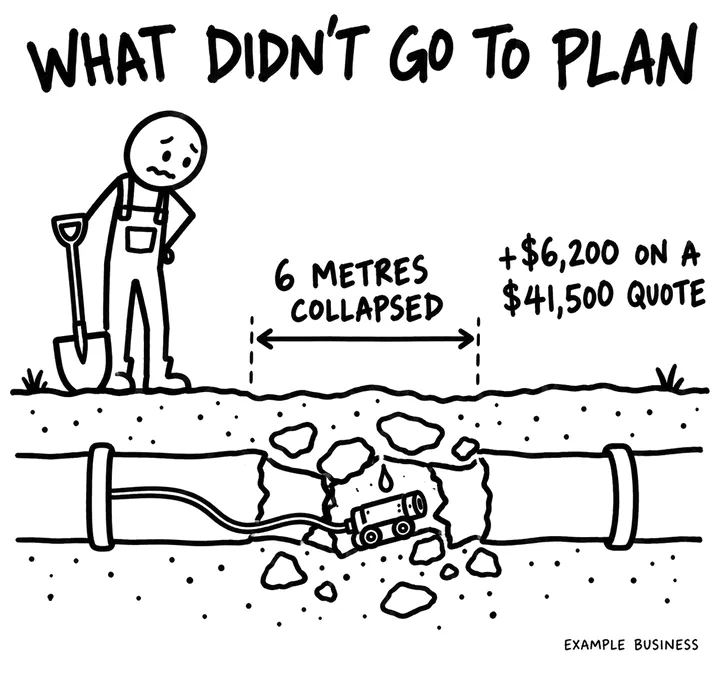
What didn't go to plan, what you changed, and the limits of the result, like a cost that ran over. It's the easiest part to leave out, and it's why people believe the rest.
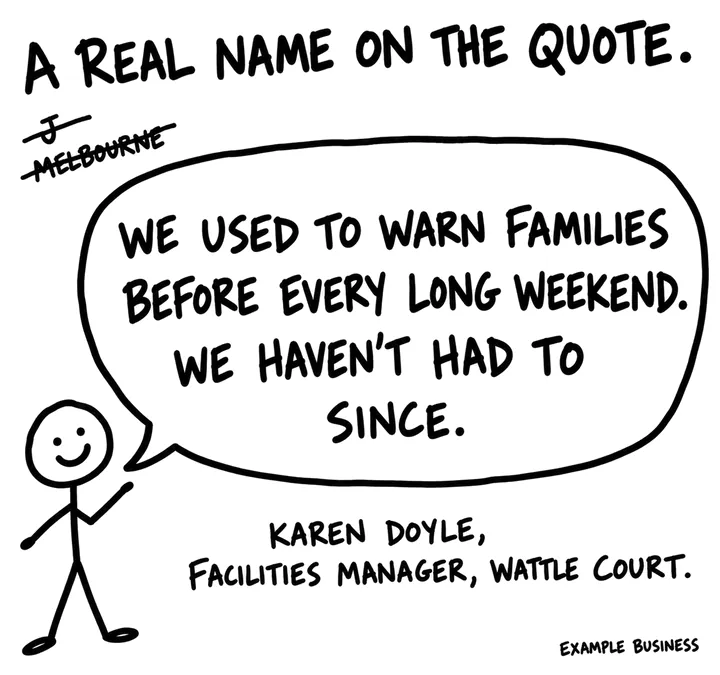
A quote in the client's own words, with their name, role and organisation, used with written permission. If a client needs to stay anonymous, say so plainly and keep the records behind the numbers. Initials like J, Melbourne read as made up.
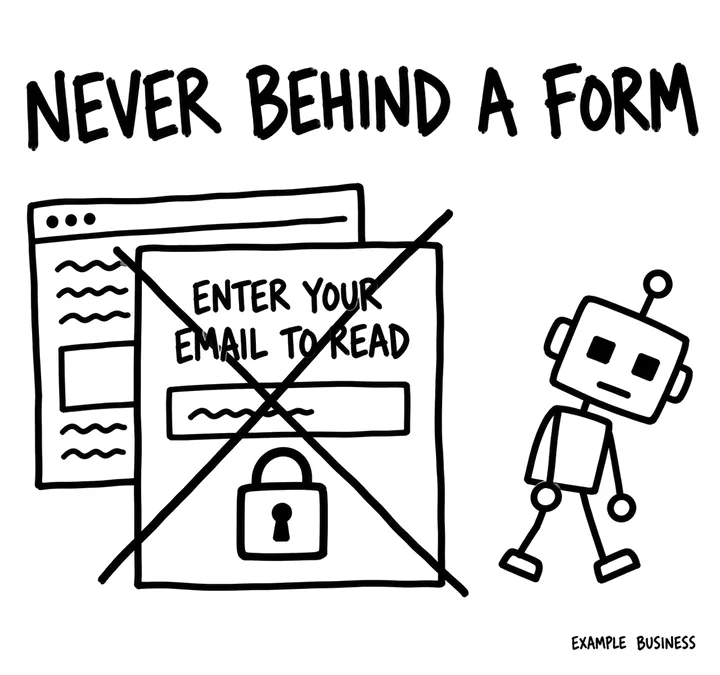
Keep case studies open to read. Asking for an email first puts buyers off, and can stop crawlers reading the page at all.
The drawings use invented example businesses. The figures show the level of detail a page needs, not advice.
Eleven sections, in the order they sit on the page. The letter in brackets is the part of SOURC-E each one serves: Structure, Offsite, Uniqueness, Relevance, Credibility or Evaluation.
An H1 that names the client (or the client type, if they asked not to be named), the job and the result. Under it, two or three sentences: who the client is, what the problem was, what you did and the result with its timeframe.
This is the paragraph an AI is most likely to quote when it recommends you for a similar job. A result without a number, a timeframe and a client type is hard to check or compare.
A facts strip: the client's industry, size and location, the service, the dates of the work, and what they had tried before coming to you.
Context lets a buyer judge whether the result applies to them, and lets a model match the story to a similar question.
The problem in the client's words and in measured terms, such as the cost, the downtime or the number of complaints before you started.
A measured before is what makes the after mean anything.
The constraints: budget, deadline, access, regulations, or systems you could not change.
Constraints show the result was earned in real conditions, and tell a buyer with similar limits that you have handled them before.
The steps you took in order, the decision behind each and why you chose it over the alternatives, and the people who did the work, linked to their profiles.
Your reasoning is what nobody else can publish. It shows expertise far better than a list of services.
Results as numbers against a baseline over a stated period, such as before and after over twelve months, in a table or simple chart, with the key figures also written in the text.
Numbers with a baseline and a period are the ones worth citing. Put the chart's numbers in the text as well, so nobody, and no crawler, has to read them off an image.
What did not go to plan, what you changed, and the limits of the result, such as a problem it did not fix or a cost that ran over.
Admitting limits is what makes the numbers believable. It is also the detail a careful buyer looks for first.
A quote from the client in their own words with their name, role and organisation, and a link to their review on an independent site if they left one.
A named, attributable voice brings Offsite proof onto your own page. If the client will only appear anonymously, say so, keep the numbers and the context, and keep the records that support them.
Where each number comes from (the client's records, your job logs, an analytics tool), the period, and anything else that might have caused part of the change.
A stated method lets a reader check the claim. Numbers with no source read as marketing.
A line saying the client approved the case study and its numbers, the date the work finished and the date the page was last reviewed.
Permission protects the client relationship and shows the client has approved it. Dates tell a buyer how current the result is.
Links to the service page and location page for this work and to related case studies, and one clear next step with the phone number as text.
Ties the proof to the service it supports, for buyers and for crawlers, and gives a convinced buyer somewhere to go.
Riverina Plumbing, Wagga Wagga (an invented business, to show the level of detail). These lines are from a few of the sections: copy the specificity, not the words.
Missing schema on a case study is a small gap. Article markup with the author and dates is fine if it matches the page, but do not mark up the client quote as a review: reviews of your business on your own site are not eligible. The effort is better spent on the method and the numbers.
Once a month, ask these in ChatGPT, Perplexity and Google AI Mode with your details filled in, in a fresh chat each time, and note whether you're named, linked and described correctly.
Ask the buyer questions above in ChatGPT, Perplexity and Google AI Mode once a month and note whether this case study or its numbers are cited.
In GA4, track visits to the case study that go on to the service page and an enquiry.
Ask sales which case studies buyers mention on calls, and review the ones nobody raises.
The free AI Visibility Check skill gives you real customer questions to run in ChatGPT and other AI tools, then scores the answers you paste back.
Give your best case study's headline result a number, a starting point and a time period, and take it out from behind any form.
